


What Is Metallic Epoxy Flooring?
Your garage floor works fine. But "fine" doesn't make guests stop and stare. Metallic epoxy isn't about fixing a problem—it's about creating something nobody else on your block has.
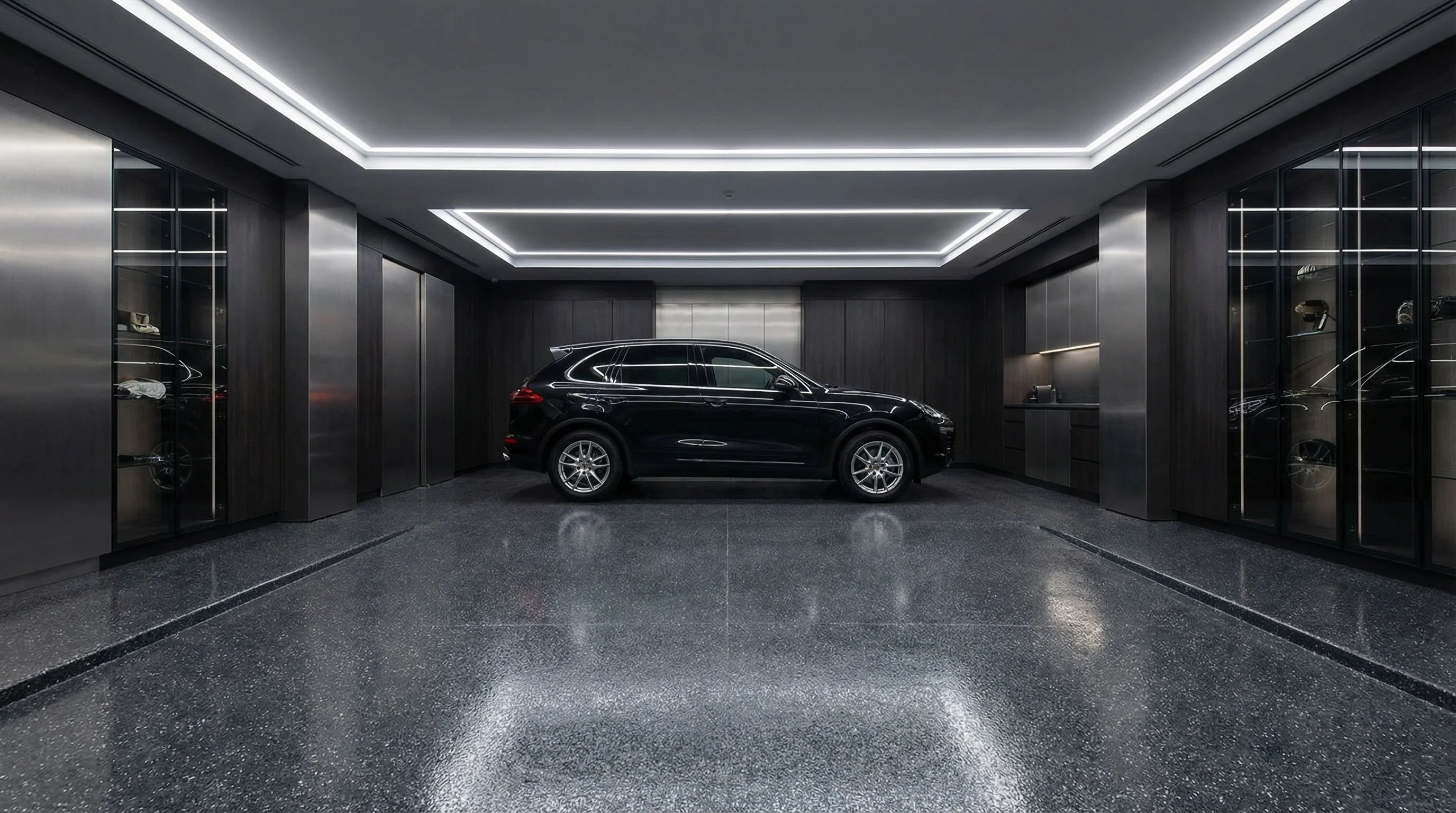
This isn't your neighbor's beige epoxy with tan flakes. Metallic systems use pearl and mica pigments suspended in crystal-clear epoxy resin. When poured and manipulated, these pigments create depth, movement, and three-dimensional effects that shift with lighting and viewing angle. Walk past a metallic floor in an Oshkosh basement and it looks charcoal. Stand directly over it and silver highlights ripple through like brushed metal.
The ROI is real. Homeowners in Neenah installing metallic garage floors report immediate increases in home showing impact. Realtors consistently note these floors as standout features during open houses.
How Metallic Effects Are Created
The magic happens during application. Contractors pour tinted metallic epoxy over a primed concrete surface, then use specialized tools—rollers, squeegees, air blowers, even brushes—to push and pull the pigments. As the metallic particles move through the wet epoxy, they create organic patterns: swirls, waves, veins, or clouds depending on technique.
Color combinations are virtually unlimited. Silver and charcoal create modern industrial looks popular in Appleton garages. Copper and bronze tones bring warmth to Menasha basements. Commercial clients in Green Bay often choose custom blends—teal and silver for tech showrooms, gold and black for retail spaces.
Each floor is unrepeatable. Even using identical pigments and techniques, environmental factors during curing—humidity, temperature, airflow—influence how pigments settle. Your floor will be genuinely unique.
Metallic vs. Standard Epoxy Coatings
Both systems bond to concrete. Both resist chemicals, impacts, and hot tires. The difference is aesthetic and application complexity.
Standard epoxy is opaque and forgiving. You roll on a base coat, broadcast colored flakes, seal it. Done. Metallic epoxy requires artistic skill and technical precision. The installer is part contractor, part artist. They're reading how pigments move, adjusting technique in real-time, creating patterns on the fly.
The other key difference: metallic systems use clear or lightly tinted base coats so the metallic pigments remain visible. That means substrate preparation must be flawless—every crack, stain, or imperfection shows through. Standard flake systems hide minor surface issues. Metallic systems showcase them.
What Does Metallic Epoxy Cost in Fox Valley?
Expect to pay $8–$15 per square foot installed for residential metallic epoxy in Appleton, Oshkosh, and surrounding areas. Premium designer blends with multiple metallic colors or specialty effects run $18–$22 per square foot.
That's roughly double the cost of standard flake epoxy systems ($4–$7/sqft). You're paying for specialized materials, extended labor time, and contractor expertise. Installation takes longer—sometimes 50% more time than standard systems—because the artistic manipulation phase can't be rushed.
Price Factors: Pigments, Square Footage, and Complexity
Three variables drive your final cost:
Pigment selection. Standard metallic colors (silver, gunmetal, copper, bronze) sit at the lower end of the range. Custom blends, interference pigments that shift colors in different light, or multi-tone designs push prices higher. Some Fox Valley contractors charge $2–$4/sqft additional for premium pigment packages.
Project size. Larger floors reduce per-square-foot costs due to economies of scale. A 400-square-foot Kaukauna garage might cost $12/sqft. A 1,200-square-foot Green Bay commercial showroom might drop to $9/sqft for the same pigment package.
Design complexity. Simple metallic swirls cost less than intricate vein patterns or multi-layer effects that require sequential pours. If you want your basement floor to look like polished marble with gold veining, budget toward the premium end.
Cost Comparison Table
| Project Type | Square Footage | Price Range (Installed) | Typical Pigments |
|---|---|---|---|
| Single-car garage | 200–250 sqft | $1,800–$3,750 | Silver/charcoal, gunmetal |
| Two-car garage | 400–500 sqft | $3,600–$7,500 | Custom blends available |
| Basement floor | 600–800 sqft | $5,400–$12,000 | Copper/bronze, teal/silver |
| Commercial showroom | 1,000+ sqft | $9,000–$18,000 | Designer multi-tone systems |
These ranges include surface prep (diamond grinding), metallic epoxy materials, application labor, and clear polyurethane or polyaspartic topcoat. They assume good substrate conditions—no major crack repair or moisture remediation.
Add $1–$2/sqft if your concrete needs significant repair (crack filling, joint work, patch compounds). Add another $0.50–$1/sqft for upgraded topcoats with enhanced UV stability or extra scratch resistance.
Maintenance costs run lower than you'd expect. Annual cleaning supplies might total $30–$50. Re-sealing every 3–5 years costs $2–$4/sqft—same as standard epoxy.
The Metallic Epoxy Installation Process
The work typically spans 2–3 days for residential projects, 4–7 days for large commercial installations. Wisconsin weather matters—ideal shop temperatures of 60–80°F are easier to maintain in spring and fall than during January cold snaps or July humidity.
Surface Preparation Requirements
This is where metallic systems get unforgiving. Concrete must be diamond-ground to open the pore structure and remove any existing sealers, paints, or contaminants. Shot blasting or acid etching won't cut it—the profile needs to be deep and uniform for clear epoxy to bond properly.
Moisture testing is critical. Your Appleton contractor should perform calcium chloride or relative humidity tests. If moisture vapor transmission exceeds manufacturer limits (usually 3–5 lbs/1,000 sqft/24 hours), you'll need a moisture-mitigating primer. Skipping this step leads to delamination within months.
All cracks get routed, filled, and ground smooth. Oil stains get treated with degreasers and sometimes specialized primers. The goal: a perfectly clean, porous canvas.
Multi-Layer Application Technique
Day one (after prep): Apply a pigmented or clear primer coat. This seals the concrete and provides a uniform base color that influences the final metallic effect. Primer cures 4–8 hours.
Day two: The artistry begins. Mix metallic pigments into clear epoxy resin at ratios specified by manufacturer (usually 4–8 oz of metallic per gallon). Pour the metallic epoxy in ribbons or pools across the floor. Working quickly—pot life is 20–30 minutes—contractors use:
- Foam rollers to spread material evenly
- Squeegees to push pigments in specific directions
- Trowels to create waves or texture
- Air blowers to move pigments and create organic patterns
Some Neenah contractors deliberately create "cells" by dropping solvent or denatured alcohol into wet metallic epoxy—it pushes pigments away, forming circular patterns like agate stone.
The metallic layer cures 12–24 hours. Temperature and humidity in your Oshkosh garage during this window affect how pigments settle. Cooler temps slow curing and allow more pigment movement. Warmer temps lock patterns faster.
Cure Time and Topcoat Selection
Day three: Apply clear topcoat. Most Fox Valley contractors use polyurethane (more UV-stable, slightly softer) or polyaspartic (faster cure, harder finish). You need at least two topcoat layers—metallic pigments are delicate and the clear epoxy layer is relatively thin.
Premium projects get three topcoat layers for maximum scratch resistance. Each layer cures 4–12 hours depending on product.
Full cure takes 5–7 days. You can walk on the floor in 24 hours, but wait a full week before parking vehicles or moving heavy equipment back in.
How to Choose a Metallic Epoxy Contractor
Standard epoxy is a commodity. Any competent installer can roll a base coat and throw flakes. Metallic epoxy is a craft. The contractor's artistic eye and technical experience directly determine whether your floor looks like a $15,000 showpiece or a botched science experiment.
Portfolio and Color Customization Options
Demand to see completed metallic projects—not just samples. Photos of full floors in actual garages, basements, or commercial spaces. Look for:
- Clean color transitions without muddy areas where pigments over-mixed
- Consistent depth and pearl effect across the entire surface
- Sharp details in pattern work (if veining or specific designs were attempted)
- Proper lighting in photos (metallic floors photograph terribly in dim light)
Ask if they'll create a custom sample board with your chosen pigments before starting. Reputable Appleton contractors often pour 2x2-foot test panels so you can see exactly how colors interact. This costs $100–$200 but eliminates surprises.
Verify they offer true color customization. Some installers only work with manufacturer pre-mixed kits. Better contractors hand-mix pigments and can match specific colors or create blends you won't find anywhere else in Green Bay.
Installation Experience and Technique
How many metallic floors has this contractor completed? Anything under 20 installations means you're part of their learning curve. Metallic epoxy technique improves dramatically with repetition—knowing how different pigments move, reading cure speeds, adjusting for temperature variations.
Ask about their manipulation tools and techniques. Do they use multiple tools to create depth? Can they explain how they'll achieve the pattern you want? Vague answers or "we'll figure it out as we go" are red flags.
Inquire about substrate requirements. The contractor should immediately mention diamond grinding, moisture testing, and crack repair protocols. If they suggest acid etching or mechanical scarification for metallic systems, walk away—they don't understand the product.
Warranty Coverage for Decorative Systems
Standard epoxy warranties cover delamination and coating failure. Metallic epoxy warranties should also address color stability and topcoat adhesion, since the clear layers over metallic pigments can yellow or separate if improperly applied.
Typical Fox Valley warranties:
- 1–2 years on labor and installation defects (delamination, bubbling, topcoat failure)
- 5+ years on material performance (manufacturer-backed for chemical resistance)
- No warranty on aesthetic variations—pattern differences from sample boards aren't defects
That last point matters. Because metallic floors are hand-created, your Kaukauna garage won't look identical to the sample or photos. Reputable contractors make this clear upfront. If someone guarantees an exact pattern match, they're lying.
Ask what's specifically excluded. Most warranties won't cover scratches from metal tools dragged across the floor, damage from non-approved cleaners, or color shifts from UV exposure if you chose non-stabilized pigments.
Get the warranty in writing before work begins. Compare it against at least two other qualified contractors in the Fox Valley area—you'll quickly spot who's offering real coverage versus who's hiding behind vague language.
Frequently Asked Questions
Epoxy typically lasts 10–20 years on a residential garage floor, depending on traffic, maintenance, and installation quality.
| Lifespan Factor | Light Use | Moderate Use | Heavy Use |
|---|---|---|---|
| Typical Duration | 15–20 years | 10–15 years | 7–10 years |
| Example | Occasional DIY garage | Active family garage | Commercial/frequent traffic |
| Maintenance Level | Minimal | Moderate (annual) | Frequent (quarterly) |
| Wear Patterns | Minimal gloss loss | Some dullness in traffic areas | Noticeable wear, possible thin spots |
Factors that extend lifespan:
- Professional installation — Proper prep and application prevent premature failure
- Moisture management — Moisture testing and mitigation prevent peeling and delamination
- Regular cleaning — Sweeping and occasional mopping preserve the finish
- Anti-slip topcoat — Polyurea or polyaspartic topcoats extend durability and add UV resistance
- Climate control — Temperature stability reduces expansion/contraction stress
Factors that shorten lifespan:
- Heavy vehicle traffic — Daily driving wears the finish faster
- Harsh chemicals — Road salt, de-icing chemicals, and aggressive cleaners accelerate degradation
- Poor prep or moisture — Failure to address moisture or skip surface prep causes peeling within 2–5 years
- DIY installation — Inadequate technique reduces durability by 30–50%
With proper maintenance and professional installation, most homeowners see 12–15 years of excellent appearance before considering a refresh or top coat.
Related Articles
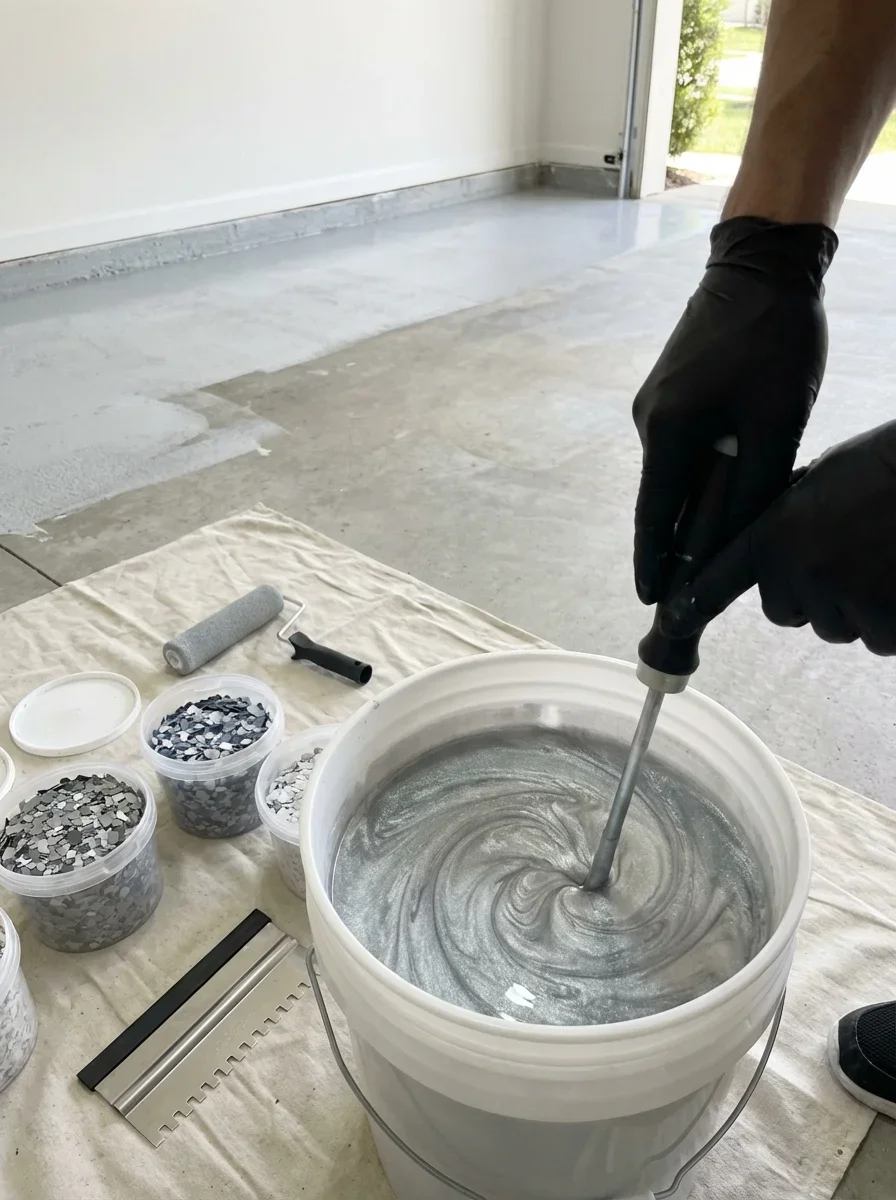
Specialty Floor Coatings — Metallic, Polyurea, Polyaspartic & Flake Systems
Compare specialty garage floor coatings. Learn how metallic epoxy, polyurea, polyaspartic, and flake systems differ and when contractors recommend each type.
Read Guide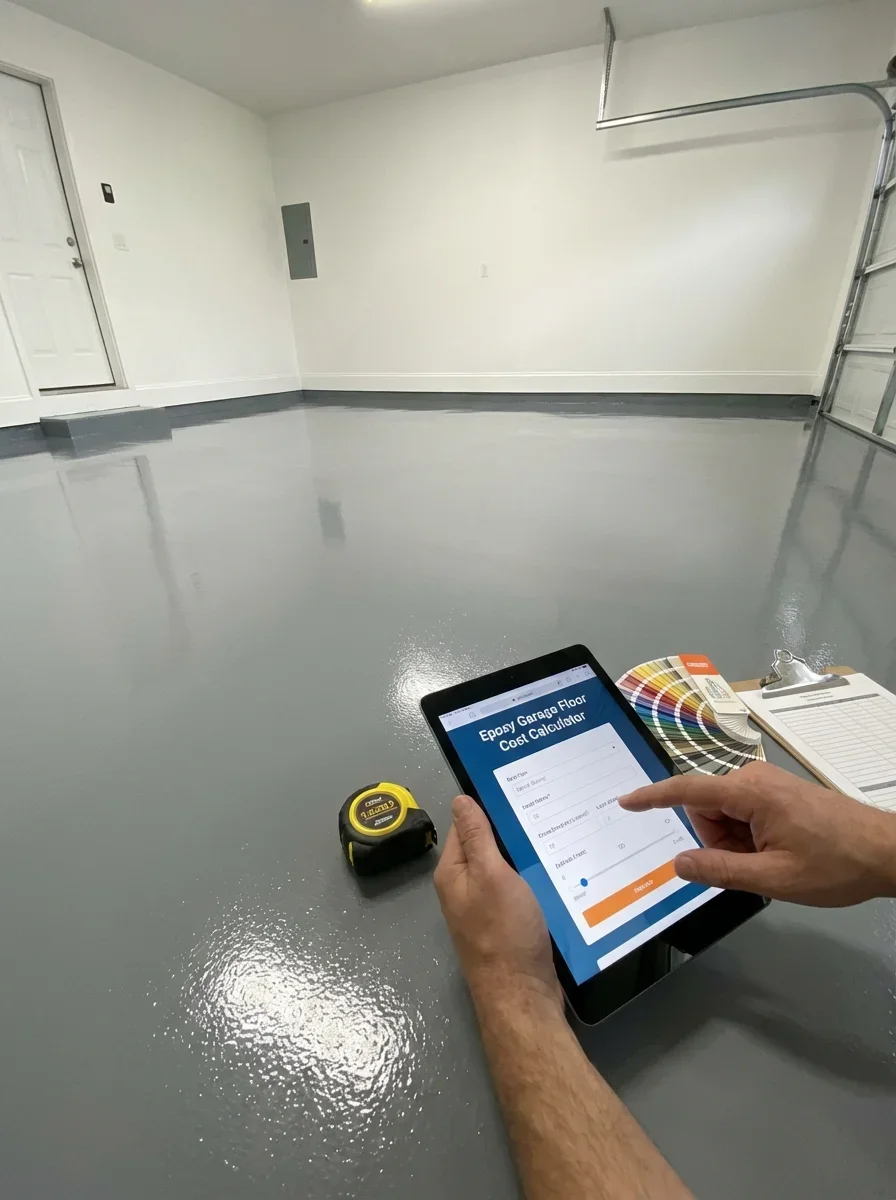
Epoxy Flooring Cost Calculator — Estimate Your Project Before Calling a Pro
Calculate your epoxy garage floor project cost instantly. Input your garage size, coating type, and options to get accurate estimates before calling contractors.
Read Cost Guide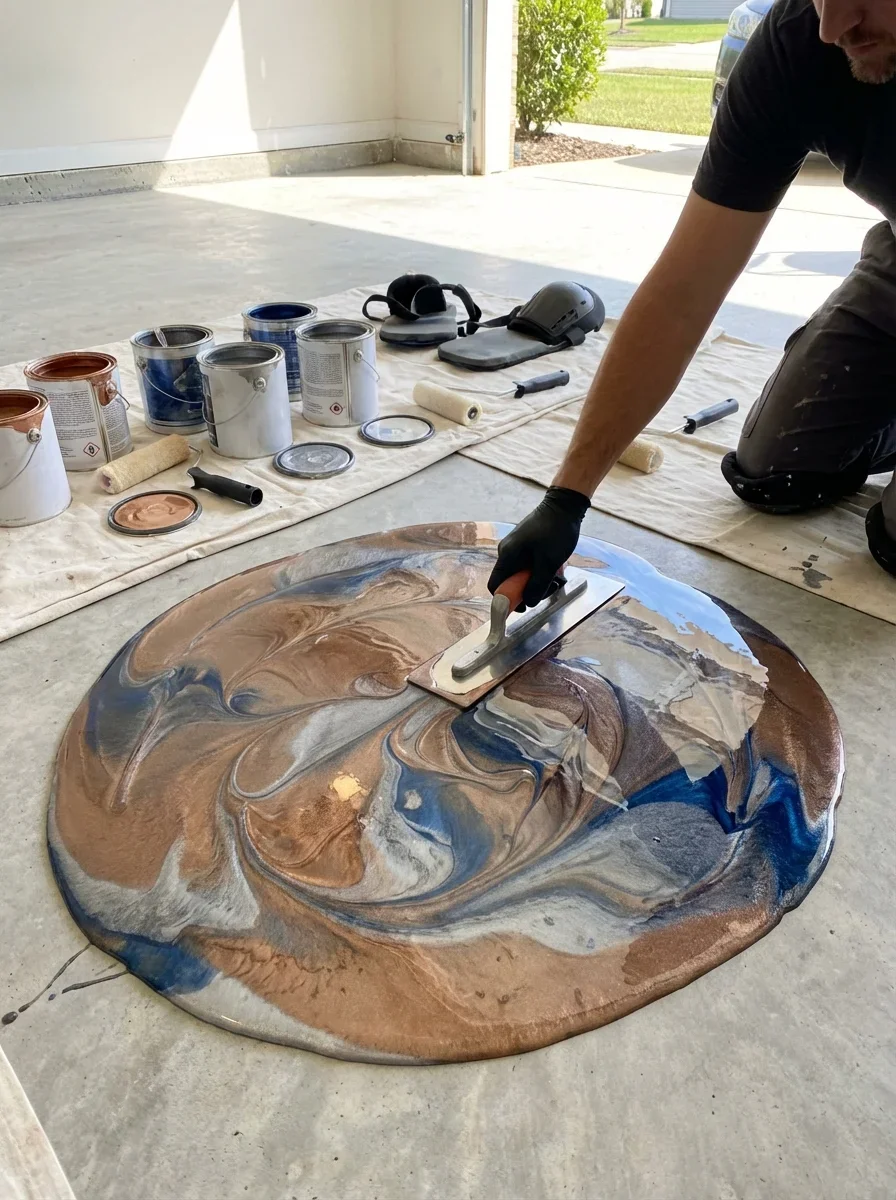
Metallic Epoxy Garage Floors — Premium Finishes from Professional Installers
Discover metallic epoxy garage floor colors and 3D effects. Learn how professionals create custom metallic finishes and what this premium system costs.
Read Guide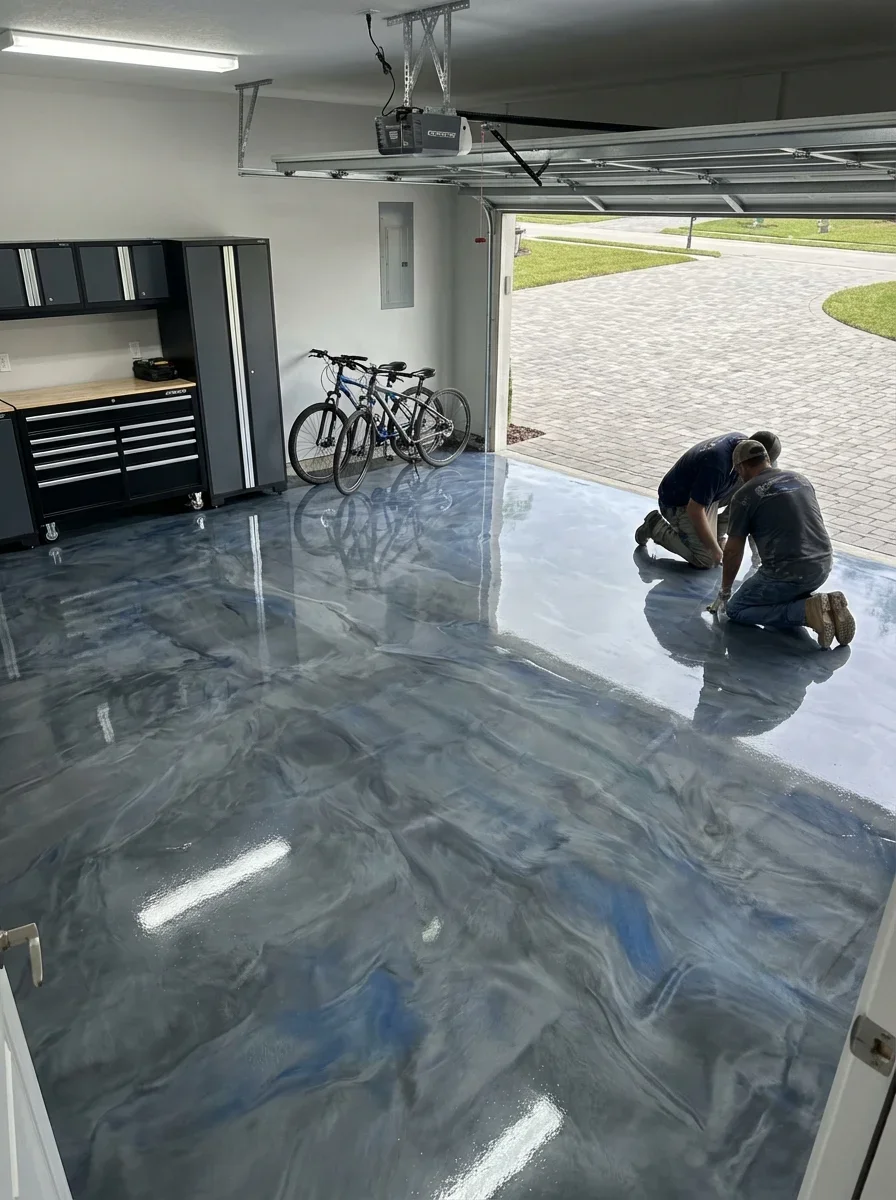
Epoxy Garage Floor Design Trends — What Contractors Are Installing in 2024
Explore current garage floor coating trends from color shifts to metallic finishes. Learn what contractors are installing, why certain looks require professional expertise, and what's popular in Fox Valley.
Read Guide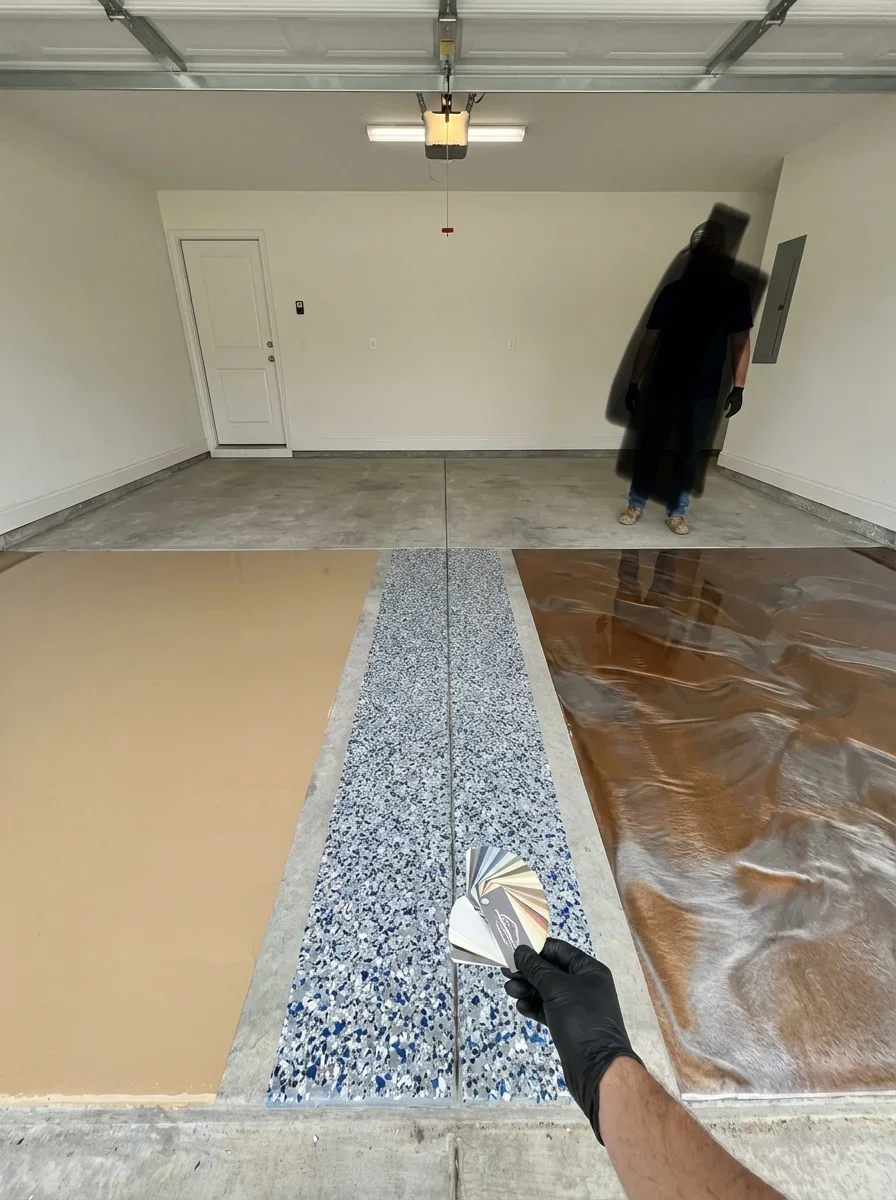
Epoxy Garage Floor Colors — A Homeowner's Guide to Design Options
Explore epoxy garage floor color options from neutral to bold. Learn what contractors recommend, popular color combinations, and how to choose the right look.
Read Guide